
When Should You Seek Emergency Wellness Care for Your Pet?
When your pet suddenly seems sick, injured, or “not quite right,” it can be difficult to know whether you should wait, schedule a regular visit, or seek immediate veterinary care. You should seek emergency wellness care when your pet has sudden, severe, or unusual symptoms that may point to pain, illness, injury, poisoning, breathing trouble, or another urgent medical concern.
Some symptoms can wait for a regular wellness exam. Others should be addressed right away. Warning signs like trouble breathing, collapse, repeated vomiting or diarrhea, seizures, serious injuries, toxin exposure, inability to urinate, or sudden weakness should never be ignored.
Ila Veterinary Clinic provides compassionate veterinary care for pets in Ila, Madison County, and surrounding communities. If you are unsure whether your pet needs immediate care during business hours, call our team at 706-789-2232 for guidance.
This Article Will Address
- When to take your pet to an emergency wellness vet
- What emergency wellness care means for pets
- Why urgent veterinary care is important
- What symptoms may require emergency veterinary care
- When vomiting or diarrhea is considered an emergency
- Why trouble breathing should be treated as urgent
- How to tell if a pet injury needs prompt veterinary care
- What to do if your pet suddenly has an emergency
- What symptoms may wait for a regular wellness exam
- Why pet owners in Ila, Danielsville, and Madison County choose Ila Veterinary Clinic
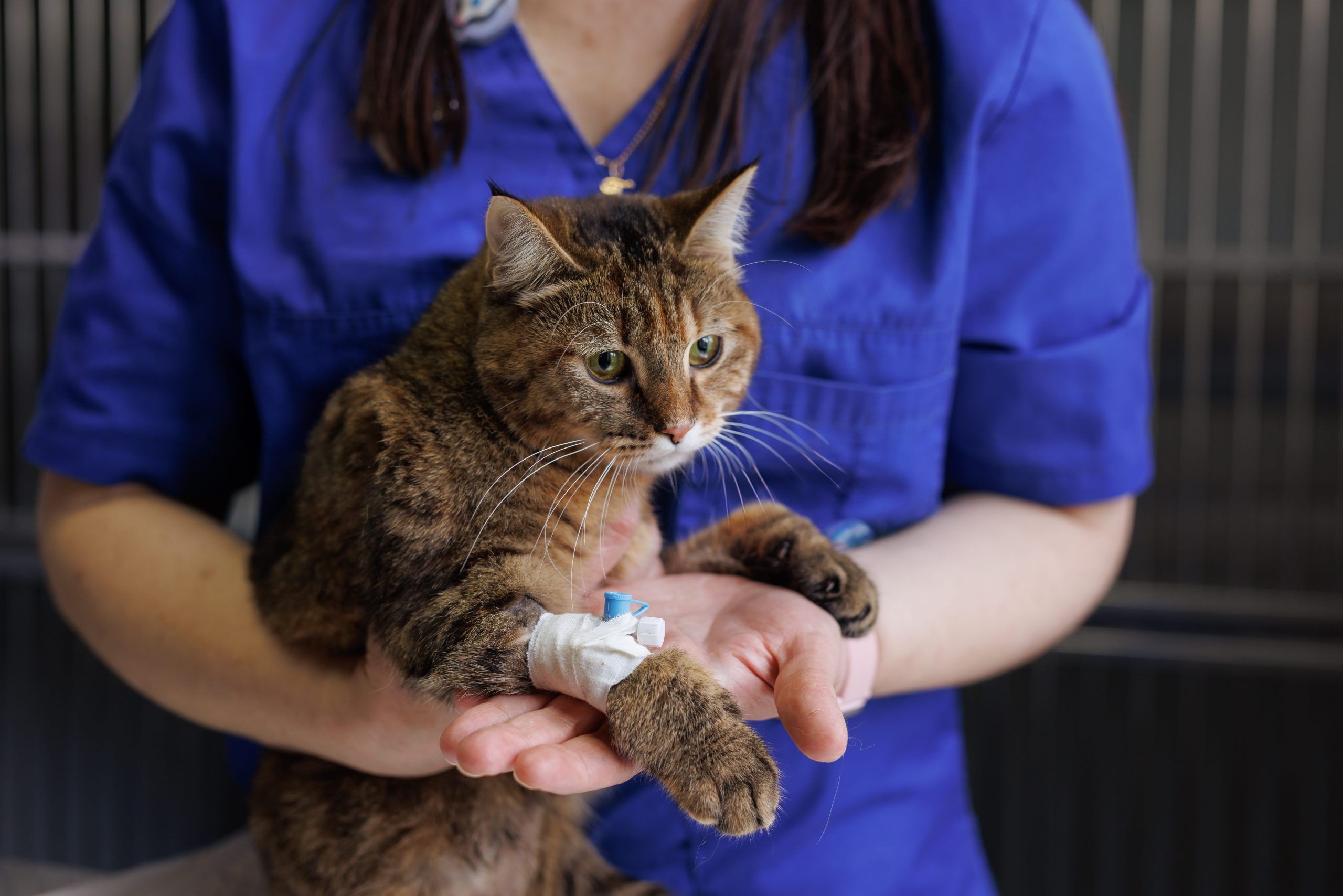

What Is Emergency Wellness Care for Pets?
Emergency wellness care helps address sudden health changes that may not be part of a routine wellness visit but still need prompt veterinary attention. It bridges the gap between everyday preventive care and more serious emergency care.
Routine wellness care focuses on prevention, vaccines, parasite screening, dental health, nutrition, early detection, and long-term health planning. Emergency care focuses on symptoms that appear suddenly, worsen quickly, or may become life-threatening without timely attention.
It may help to think of pet care in four categories:
- Routine wellness care includes preventive exams, vaccines, screenings, and long-term health planning.
- Urgent veterinary care includes same-day concerns that need prompt attention but may not be immediately life-threatening.
- Emergency veterinary care includes serious symptoms that could quickly become life-threatening.
- After-hours emergency care includes care needed when a regular veterinary clinic is closed and symptoms cannot safely wait.
When Should I Take My Pet to an Emergency Wellness Vet?
The most important foundation to have is an established patient-relationship for your pet with a regular wellness veterinarian. Having a baseline understanding of your pet’s health helps us to assess the emergent situation with more efficiency and accuracy. Ila Veterinary Clinic will prioritize our established patients for emergency wellness care. If your pet has not been seen at Ila Veterinary Care, we will be happy to help with emergency care and may partner with our other local emergency partners to give you the best options.
You should take your pet to an emergency wellness vet when symptoms appear suddenly, worsen quickly, or make your pet seem distressed, weak, painful, or unable to function normally. Pets cannot tell us exactly what hurts, so changes in behavior are often one of the first signs that something is wrong.
A pet may need urgent veterinary care if they are suddenly hiding, crying, panting heavily, refusing food, unable to stand, acting disoriented, or showing signs of pain. You know your pet’s normal personality, appetite, energy level, and routine. If something feels significantly different, it is worth paying attention.
During business hours, pet owners can call Ila Veterinary Clinic at 706-789-2232 for guidance. Our hours are Monday through Friday from 8 AM to 5 PM. On Saturdays, we see walk-ins only from 8 AM to 12 PM. Taking out last appointment at 11am.
If symptoms are severe, rapidly worsening, or happening after hours, your pet may need a dedicated emergency veterinary hospital.
What Symptoms Mean My Pet Needs Emergency Veterinary Care?
Not every symptom is an emergency, but certain warning signs should never be ignored. Sudden or severe symptoms may point to pain, injury, toxin exposure, internal illness, breathing problems, or another condition that needs prompt veterinary attention.
Your pet may need emergency veterinary care if you notice:
- Trouble breathing, choking, wheezing, or blue, gray, or pale gums
- Collapse, fainting, or inability to stand
- Seizures or loss of consciousness
- Severe weakness or sudden lethargy
- Repeated vomiting or diarrhea
- Blood in vomit, stool, or urine
- Suspected poisoning or toxin exposure
- Trauma, bite wounds, falls, or being hit by a car
- Serious bleeding or deep wounds
- Swollen or painful abdomen
- Inability to urinate or straining without producing urine
- Eye injuries or sudden vision changes
- Sudden behavior changes, confusion, or extreme distress
- Difficult labor or pregnancy-related complications
Is Difficulty Breathing Always a Pet Emergency?
Yes. Difficulty breathing should always be treated as emergent. Breathing problems can worsen quickly, and pets in respiratory distress may not have much time before their condition becomes critical.
Call a veterinarian right away if your pet is gasping, wheezing, breathing with an open mouth, breathing rapidly while resting, coughing uncontrollably, stretching their neck to breathe, or showing blue, gray, or pale gums.
Breathing problems may be connected to allergic reactions, airway obstruction, heart concerns, lung disease, trauma, heat stress, or another serious condition. Because oxygen is essential, any sign of breathing trouble deserves immediate attention.
When Is Vomiting or Diarrhea an Emergency for Pets?
Vomiting or diarrhea may become an emergency when it is repeated, severe, bloody, paired with weakness, paired with a swollen abdomen, or affecting a puppy, kitten, senior pet, or pet with an existing medical condition.
A single mild episode may not always require emergency care if your pet is otherwise acting normal. However, ongoing vomiting or diarrhea can lead to dehydration and may point to toxin exposure, infection, intestinal blockage, pancreatitis, parasites, or another serious concern.
Call a veterinarian if your pet cannot keep water down, seems weak, has blood in the vomit or stool, has a painful belly, or is vomiting and refusing food. If your pet is very young, older, or already dealing with a health condition, it is safer to seek guidance sooner.
Is My Pet’s Injury Serious Enough for Emergency Care?
A pet injury may need emergency care if there is heavy bleeding, a deep wound, severe limping, inability to walk, swelling, bite wounds, eye trauma, suspected broken bones, or any injury after a fall, car accident, or animal attack.
Some injuries look minor at first but can hide deeper damage. Bite wounds, for example, may leave small punctures on the skin while causing tissue damage below the surface. Falls and vehicle injuries can also lead to internal injuries that are not immediately visible.
If your pet is crying, hiding, limping badly, bleeding, breathing differently, or acting unusually after an injury, call for veterinary guidance.
What Should I Do If My Pet Suddenly Has an Emergency?
If your pet suddenly has an emergency, try to stay calm and focus on getting safe veterinary guidance quickly. Do not give human medications, start home remedies, or wait too long to ask for help. Some medications that are safe for people can be dangerous or even toxic for pets.
During business hours, call Ila Veterinary Clinic at 706-789-2232. If your pet’s symptoms are severe or occur after hours, contact the nearest emergency veterinary hospital.
Before transporting your pet, take a few simple steps if it is safe to do so:
- Call the clinic and describe your pet’s symptoms clearly.
- Share your pet’s age, breed, medications, and known health conditions.
- Bring any medications your pet currently takes.
- Bring packaging or a photo if your pet may have eaten something toxic.
- Keep your pet calm and safely contained.
- Use a towel, blanket, or carrier when transporting an injured pet.
- Avoid handling an injured pet too much, since pain can make even gentle pets react unexpectedly.
- Do not try home remedies unless a veterinary professional gives you specific instructions.
Why Choose Ila Veterinary Clinic for Your Pet’s Emergency Care?
Pet owners choose Ila Veterinary Clinic because our team combines veterinary experience with compassion, communication, and a genuine commitment to long-term pet wellness.
Dr. Christina Halpin, leads Ila Veterinary Clinic with more than a decade of veterinary experience. Families in Ila, Danielsville, Madison County, and nearby Georgia communities trust our team because we focus on:
- Compassionate veterinary care
- Preventative veterinary services
- Relationship-based pet care
- Clear communication with pet owners
- Care for pets through every stage of life
- A convenient location in Danielsville, GA
- Saturday walk-ins from 8 AM to 11AM
Call Ila Veterinary Clinic for Compassionate Pet Care in Danielsville, GA
If your pet is showing sudden, severe, or concerning symptoms, do not wait to ask for help. Ila Veterinary Clinic provides compassionate veterinary care for pets in Danielsville, Ila, Madison County, and surrounding Georgia communities.
Whether your pet needs a wellness exam, urgent guidance, or help deciding what to do next, our team is here to support your pet’s health through every stage of life.
Call Ila Veterinary Clinic at 706-789-2232 or contact us through our website to schedule care or ask for guidance during business hours.
Sources
- Cornell University College of Veterinary Medicine
- Cornell Richard P. Riney Canine Health Center
- Cornell Feline Health Center
- American Association of Feline Practitioners