
What Should Pet Owners Do When Adopting a New Pet?
Adopting a new pet is exciting, meaningful, and often a little overwhelming. Whether you are bringing home a puppy, kitten, adult dog, adult cat, or another companion animal, the first days and weeks matter. A smooth transition begins with preparation, a calm home environment, accurate medical records, and early veterinary guidance.
Our team understands that pets are cherished members of the family. When you adopt a new pet, our goal is to help you feel informed, supported, and confident as your pet settles into their new home.
This Article Will Address
- How to prepare before bringing home a new pet
- What to ask a veterinarian before or soon after adoption
- What records to collect from the shelter, rescue, or breeder
- What to do first after adopting a new dog or cat
- How to help a new pet adjust to your home
- How long it may take for a pet to feel comfortable
- What to feed a newly adopted dog or cat
- How soon to schedule a first veterinary visit
- What to bring to your new pet’s first appointment
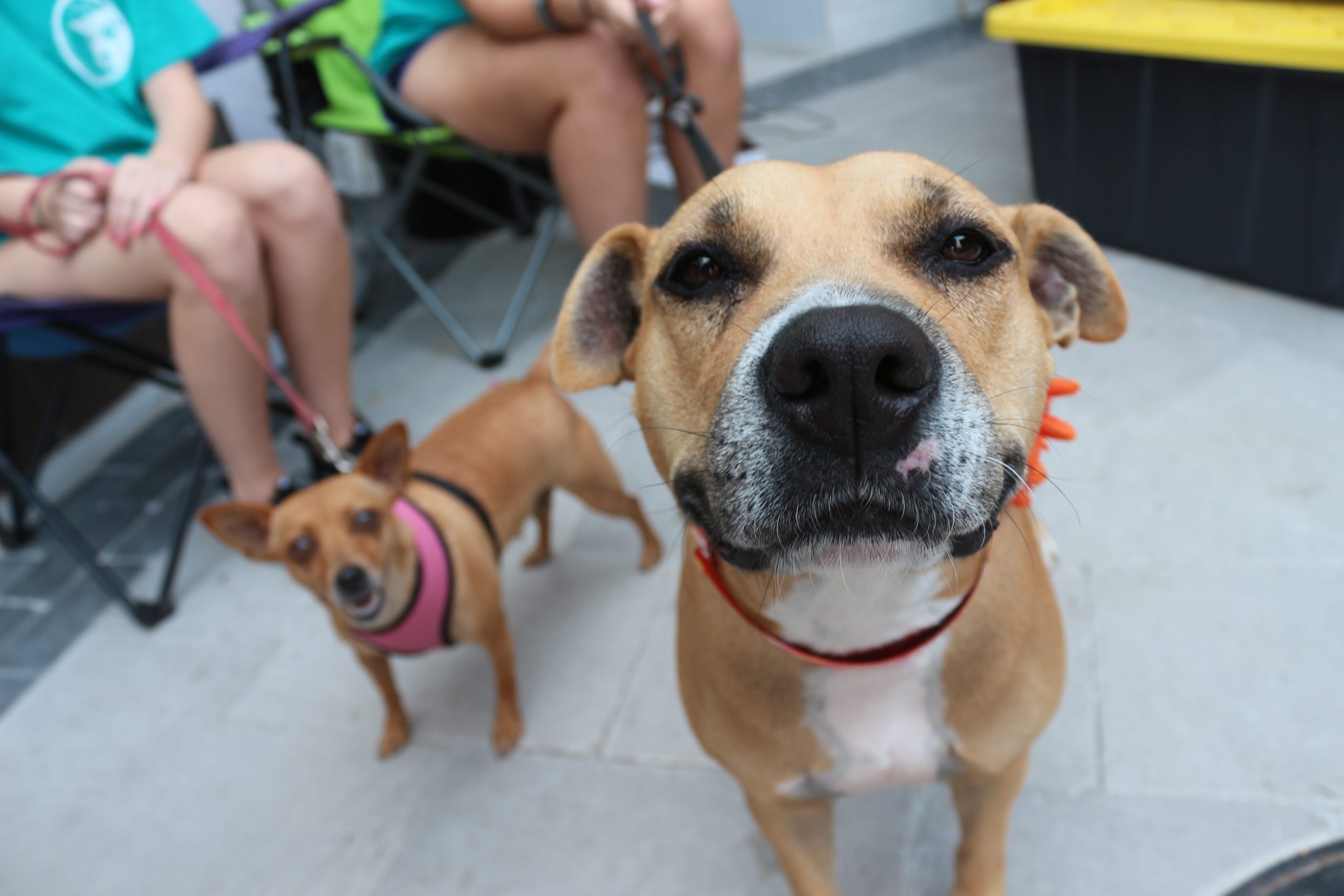

What Is The Best Way To Prepare For Adopting A Pet?
The best way to prepare for adopting a pet is to plan before your new companion arrives. A pet entering a new home is learning new sounds, smells, routines, people, and expectations. Preparing ahead of time can reduce stress and help your pet feel safer from the start.
Before bringing your pet home, choose a quiet area where they can rest, eat, drink, and adjust without too much activity. This may be a bedroom, laundry room, crate area, or another calm space. Make sure the area is easy to clean and separated from hazards, busy entryways, or other pets until introductions are appropriate.
What Supplies Should You Have Before Bringing Home A New Pet?
Before bringing home a new pet, have the basic supplies ready so the first few days feel easier and more organized. Helpful items include:
- Food and water bowls
- Age-appropriate food
- Collar or harness
- Leash
- Identification tag
- Crate or carrier
- Litter box and litter for cats
- Bedding
- Toys
- Grooming supplies
- Cleaning supplies
- Any medication or special food recommended by the shelter, rescue, breeder, or veterinarian
How Can You Make Your Home Safer For A Newly Adopted Pet?
You can make your home safer by removing common hazards before your new pet arrives. Secure trash cans, remove toxic plants, keep medications and cleaning products out of reach, manage electrical cords, and block access to unsafe rooms.
For dogs, check fences, gates, and outdoor spaces for gaps or loose areas. For cats, make sure windows and screens are secure and provide safe places to rest, perch, and hide. A quiet rest area also gives your new pet a place to relax when they feel tired or unsure.
What Questions Should I Ask The Vet Before Adopting A Pet?
If you are still preparing to adopt, a veterinarian can help you understand what type of care your future pet may need.
Helpful questions to ask include:
- What vaccines will this pet need?
- What parasite prevention is recommended in Georgia?
- Does this pet need a wellness exam right away?
- What food is appropriate for this pet’s age and health?
- Are there breed-specific health concerns to consider?
- What signs of stress or illness should I watch for?
- When should spay, neuter, or microchipping be discussed?
- How should I introduce this pet to other animals at home?
What Records Should I Get From The Shelter, Rescue, Or Breeder?
You should ask the shelter, rescue, or breeder for all available medical and care records. These records help your veterinarian understand what care has already been completed and what still needs attention.
Useful records may include:
- Vaccine history
- Deworming history
- Heartworm testing history for dogs
- Feline leukemia and FIV testing history for cats, if available
- Flea, tick, and heartworm prevention history
- Spay or neuter records
- Microchip information
- Medical conditions or prior treatments
- Medication history
- Diet information
- Behavioral notes
What Should I Do First After Adopting A New Pet?
After adopting a new pet, your first step should be to bring them into a calm, prepared space. Offer fresh water, show them where they can rest, and allow them time to explore slowly. Avoid large gatherings, loud activity, and too many introductions on the first day.
Keep the first few days simple. Confirm feeding instructions, maintain a predictable routine, review any medical records, and schedule a veterinary exam. Watch for signs of illness, stress, injury, or digestive upset. Some nervous behavior can be normal, but concerning symptoms should be discussed with your veterinarian.
A newly adopted pet does not need to meet everyone immediately. They need safety, patience, and consistency. This is especially true for pets who have recently been in a shelter, rescue environment, foster home, or stressful transition.
How Do I Help A New Pet Adjust To My Home?
You can help a new pet adjust by offering patience, routine, and a low-stress environment. Newly adopted pets are learning who they can trust, where they belong, and what daily life will look like.
To support the transition:
- Give your pet a consistent resting area
- Keep feeding and bathroom routines predictable
- Limit visitors during the first several days
- Use gentle handling and calm communication
- Avoid punishment-based training
- Offer toys, enrichment, and positive interaction
- Give your pet time to observe before expecting full confidence
- Contact a veterinarian if fear, aggression, hiding, or appetite changes continue
How Long Does It Take For A New Pet To Feel Comfortable At Home?
Every pet adjusts at a different pace. Some newly adopted pets feel comfortable within a few days, while others need several weeks or longer. A pet’s age, health, previous environment, socialization, past stress, and new household routine can all affect the adjustment period.
Common adjustment behaviors may include:
- Hiding
- Hesitation around new people
- Changes in appetite
- Mild sleep changes
- Clinginess
- Cautious exploration
- Nervous behavior around other animals
What Should I Feed A Newly Adopted Dog Or Cat?
A newly adopted dog or cat should be fed a diet appropriate for their species, age, size, weight, health history, and activity level. If possible, continue the food they were eating before adoption for the first several days, then transition slowly if a different diet is recommended.
Sudden food changes can cause vomiting, diarrhea, gas, or loss of appetite. Before changing foods, ask the shelter, rescue, or breeder about the current food brand, feeding amount, and feeding schedule. Bring that information to your pet’s first veterinary visit.
Pet owners should also avoid relying only on internet recommendations. Nutrition needs can vary widely, and some popular feeding trends may not be right for every pet. Human foods can also be dangerous for dogs and cats, so ask a veterinarian before offering table food or supplements.
How Soon Should I Take My Newly Adopted Pet To The Vet?
In most cases, you should schedule a veterinary visit within the first week after adoption, or sooner if your pet is showing signs of illness or has an unknown medical history. Young pets, senior pets, pets from group environments, and pets with incomplete vaccine records should be evaluated promptly.
A first veterinary visit helps establish your pet’s health baseline and gives you the opportunity to ask questions before small concerns become larger problems. During this visit, the veterinary team may discuss:
- A full wellness exam
- Vaccine history and future vaccine needs
- Parasite screening and prevention
- Weight and body condition
- Nutrition
- Behavior and adjustment concerns
- Microchip scanning or registration
- Spay or neuter planning, if applicable
- Dental health
What Preventative Veterinary Services Does A Newly Adopted Pet Need?
Newly adopted pets often need a personalized preventative care plan. The exact services depend on the pet’s age, lifestyle, medical history, vaccine records, and risk factors.
Preventative care may include:
- Vaccinations
- Parasite prevention
- Heartworm prevention
- Flea and tick prevention
- Deworming
- Microchipping
- Spay or neuter planning
- Dental health evaluation
- Ongoing wellness exams
Why Choose Ila Veterinary Clinic For New Pet Care In Madison County, GA?
Choosing the right veterinary team is one of the most important steps you can take after adopting a pet. New pets need more than a quick exam. They need a care team that takes the time to understand their health history, behavior, environment, and long-term needs.
Ila Veterinary Clinic is proud to serve pets and families in Danielsville, Ila, Madison County, and surrounding Georgia communities. Led by Dr. Halpin, with support from Dr. Mullis and our dedicated team, our clinic is built on compassion, expertise, preventative care, and relationship-based service.
Pet owners choose Ila Veterinary Clinic because we offer:
- Compassionate, personalized veterinary care
- A focus on preventative care and long-term wellness
- Clear communication with pet owners
- Support for pets through every stage of life
- Veterinary guidance for nutrition, vaccines, behavior, and parasite prevention
- A thoughtfully designed clinic environment focused on comfort
Schedule Your New Pet’s First Visit With Ila Veterinary Clinic
Adopting a new pet is the beginning of a meaningful relationship. With preparation, patience, and early veterinary care, you can help your new companion feel safe, supported, and ready for a healthy future.
If you recently adopted a pet in Ila, Danielsville, Madison County, or a nearby Georgia community, Ila Veterinary Clinic is here to help. Our team can provide a wellness exam, review your pet’s records, discuss vaccines and parasite prevention, answer nutrition questions, and guide you through the next steps in your pet’s care.
To schedule your new pet’s first visit, contact Ila Veterinary Clinic through our website or call 706-789-2232. We are located at 1030 Highway 106 N, Danielsville, GA 30633, and we look forward to helping your new pet feel at home.
Sources
- AAHA, New Kitten Checklist.
- AAHA, Parasite Control.